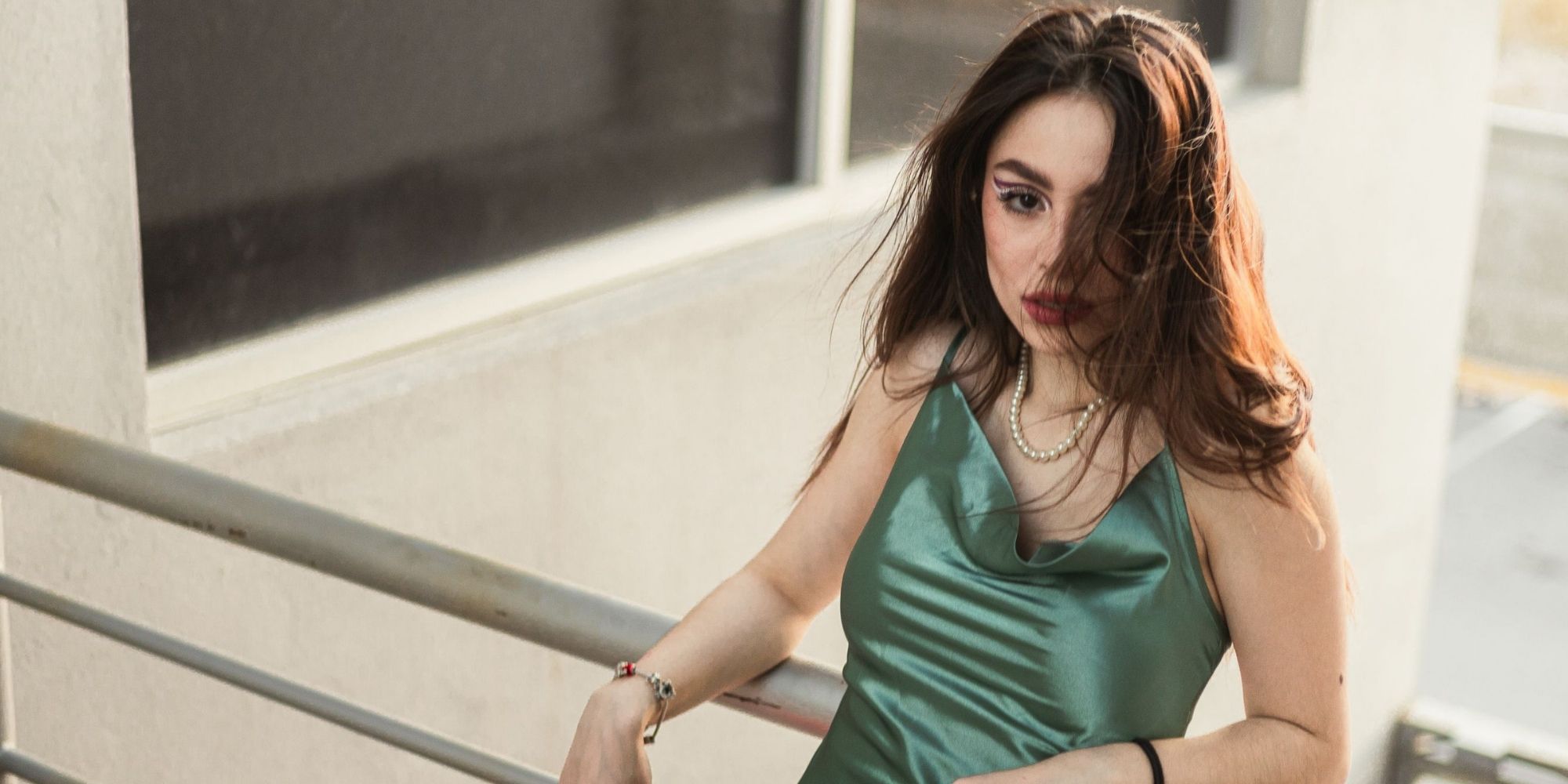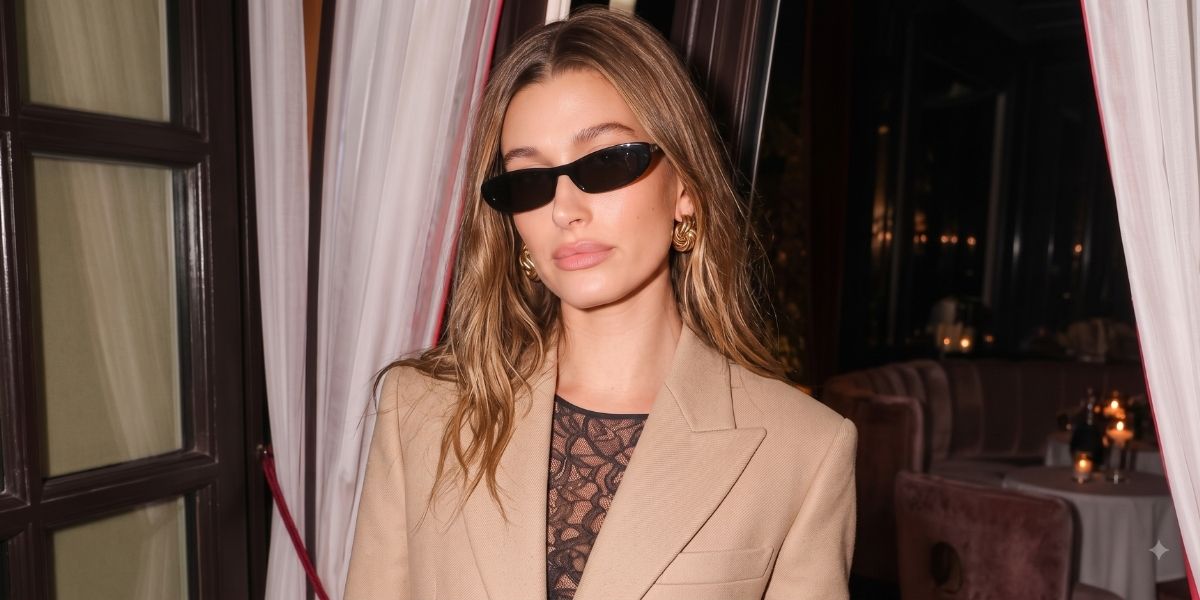
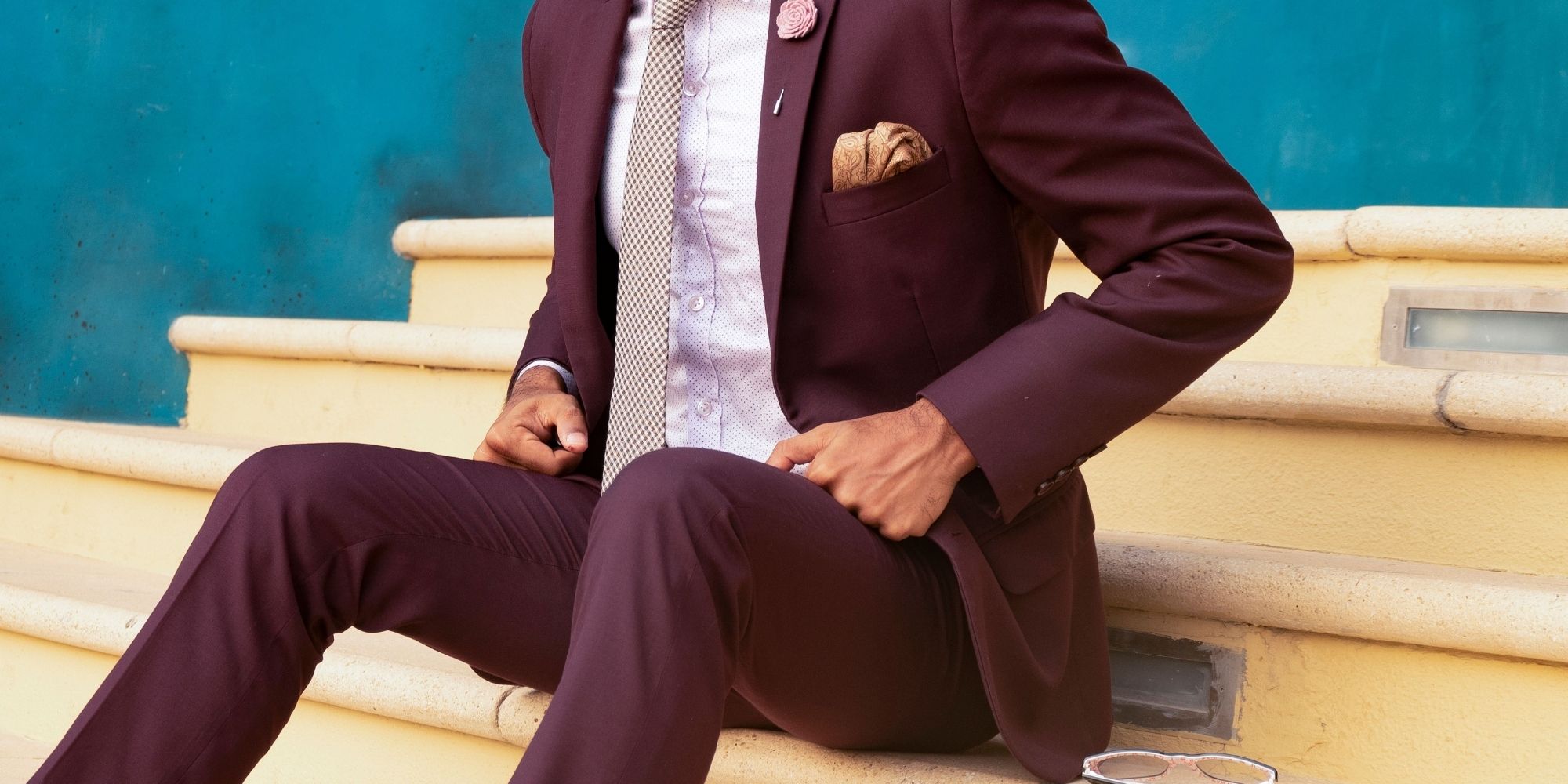
Here is something nobody tells you when you are standing in front of your wardrobe at 7am, half asleep, wearing one sock and holding a coffee: what you put on your body is about to have a measurable effect on your brain. Your confidence. Your decision-making. Your ability to convince the world - and yourself - that you are a fully functioning adult who has everything under control.
This is not a fashion blog trying to justify its existence. This is science. And science says: dress to impress, because the alternative is doing yourself a genuine disservice.
The Research Behind Why You Should Dress to Impress Every Day
There is a whole field of study dedicated to the relationship between clothing and psychology. It is called enclothed cognition, and researchers have spent years exploring exactly how what we wear influences our thoughts, feelings, and behavior. The conclusion, across hundreds of studies, is consistent: clothing is not just fabric. It is a behavioral cue, a confidence signal, and a self-perception tool that you are activating every morning whether you realize it or not.
Research shows that clothing choices have measurable effects on cognitive processes including attention, memory, decision-making, and self-perception. In other words, what you wear can actually affect how you think, feel, and perform. When you dress to impress - when you choose your outfit with intention rather than grabbing whatever is nearest - you are more likely to feel capable, focused, and confident throughout the day.
Which means that the slouchy old hoodie and the slightly-too-short tracksuit bottoms you wore to that Zoom meeting last year were doing absolutely nothing for your critical thinking skills. Just saying.

The First Impression Problem: Why Dressing to Impress Is Not Shallow
Here is an uncomfortable truth: people make up their minds about you before you have said a single word. Research in social psychology consistently shows that humans evolved in complex social environments where quick assessment of other people was essential for cooperation and survival. Your brain is essentially running a very fast, very opinionated background process that evaluates everyone you meet in the first few seconds.
And what is the primary input for that rapid assessment? Your appearance. Specifically, your clothing.
When you dress to impress, you signal professionalism, reliability, and self-respect before the conversation has even started. Studies show that people in well-fitted, intentional outfits are seen as more competent, more trustworthy, and more capable than their identically qualified but more casually dressed counterparts.
This is not shallow. This is biology. Your outfit is sending a message before your mouth has a chance to. The only question is whether you are choosing that message deliberately, or whether you are accidentally broadcasting "I almost didn't make it today."
The Confidence Loop: Dress to Impress and Feel the Difference
This is where the psychology gets really interesting. Because the effect of dressing to impress does not stop at how other people perceive you. It loops back to how you perceive yourself.
When you dress well, or wear clothing that fits perfectly, you send signals to yourself that boost confidence. Your appearance influences your self-perception, which in turn shapes your behavior. It is a feedback loop, and you can either set it up to work in your favor or let it run on default.
Research shows that people who consistently dress to impress report higher self-reported feelings of psychological empowerment and authority. They feel more capable. They are more assertive. They make better decisions. They walk into rooms differently. Self-efficacy, motivation, and confidence all rise as a result.
The practical implication is significant: the reason to dress to impress is not just about impressing other people. It is about impressing yourself into a higher level of performance. When you dress like the version of yourself you want to be, your brain starts operating as if you already are that person.
Fake it till you make it, but make it with great tailoring.

The Mood Effect: Another Reason to Dress to Impress Daily
Quick question: have you ever put on an outfit you love and immediately felt better about the day ahead? And have you ever dragged yourself to something in clothes that felt wrong and spent the entire event slightly distracted by the fact that your shirt was pulling across the shoulders?
This is not your imagination. Research confirms it. Clothing choices directly affect mood. Well-fitted clothes improve self-esteem and create a sense of competence. Clothes that feel uncomfortable or unflattering lead to distraction and reduced confidence. The psychological feedback between what you are wearing and how you are feeling is real, measurable, and happening to you right now.
This is why dress to impress is not just advice for job interviews and first dates. It is a daily practice. Because the person you are most immediately impressing when you get dressed in the morning is yourself. Everyone else comes later.
Color Psychology: The Hidden Layer of Dressing to Impress
As if the above were not enough to think about, the colors you choose also carry psychological weight. Color psychology is a well-established field, and the findings are both fascinating and slightly alarming given how little most people think about this when deciding what to wear.
Black communicates authority and sophistication. It is not a coincidence that judges, surgeons, and fashion editors reach for it instinctively. Navy signals trustworthiness and competence, which is why it has dominated professional dressing for generations. Red communicates confidence, passion, and presence in a way that few other colors can match. And studies suggest that the color of what you wear influences not only how others perceive your personality but also how you see yourself.
None of this means you need to architect every outfit around color theory. But when you are trying to dress to impress - genuinely impress, not just not-embarrass-yourself - the color on your back is part of the equation. Reaching for the grey tracksuit on the day you need to feel capable might be doing you measurable harm. Reaching for something in a color that makes you feel alive might be doing you measurable good.
Consider this information and use it accordingly.

The Professional Setting: Where Dress to Impress Has the Most Impact
The evidence for dressing to impress in professional contexts is particularly compelling, and the stakes of ignoring it are higher than most people realize.
Studies show that individuals in tailored, well-fitted outfits are consistently perceived as more competent and trustworthy by their colleagues, managers, and clients. This perception leads to better opportunities, more productive working relationships, and a social presence that commands more respect in meetings. The phrase "dress for the job you want, not the job you have" is a cliché precisely because the research supports it so consistently.
An old piece of advice puts it best: the way you dress is the way you will be addressed. When you dress to impress in a professional context, you are not just choosing an outfit. You are setting the terms of your professional identity. That is a strategic decision, not a vanity one.
Social Settings: Dress to Impress Beyond the Office
The professional context is the most studied, but the same principles apply everywhere. First impressions operate the same way at a dinner party as they do in a boardroom. The person you meet at a cocktail attire event or a friend's birthday forms an initial opinion of you from your appearance, and that opinion influences every interaction that follows.
People who dress to impress before a social event tend to be more open, more engaged, and more present. People who feel wrong in their clothes tend to be more self-conscious, less engaged, and more distracted. The math is straightforward: to have your best time in any social setting, dress to impress before you walk in.
This also, as a side note, explains why getting dressed up for a date - even a casual one - is not superficial. It is preparation. You are setting your own confidence at the highest level before the evening starts. That is not vain. That is smart.
So What Does It Actually Mean to Dress to Impress?
The research is clear on a few principles that separate the most effective dressing choices from the rest.
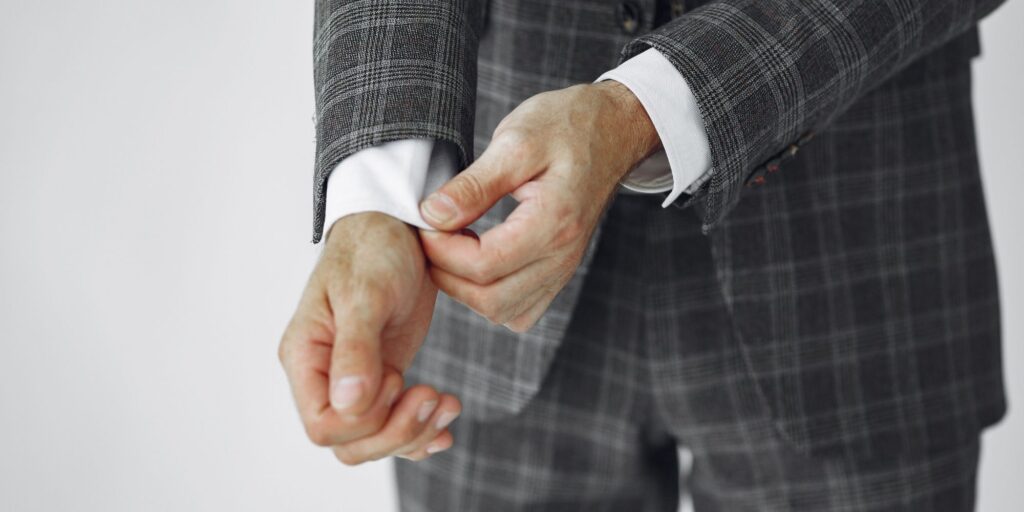
Fit is the most powerful variable. Clothing that fits well signals self-awareness and effort. A well-fitted outfit at any budget outperforms an expensive one that does not fit. If you want to dress to impress without spending a fortune, start with a tailor.
Intentionality reads. People can tell the difference between an outfit that was chosen and one that was grabbed. The former communicates self-respect. The latter communicates the opposite.
Comfort and confidence are not opposites. The most psychologically effective outfits feel as good as they look. Clothes that restrict or make you conscious of your body work against you. The goal is to dress to impress so successfully that you forget about your outfit entirely after the first five minutes.
Dress for the version of yourself you want to be. This is the most important principle of all. Research shows that when you dress like someone capable, focused, and confident, you begin to feel and perform accordingly. Your wardrobe is not just a collection of fabric. It is a daily opportunity to set the frame for who you are going to be today.
The Bottom Line
The science is in. Getting dressed in the morning is not a neutral act. Every choice you make, from the fit of your clothes to the color you reach for, sends signals to your brain and to everyone around you that either support or undermine your confidence, your performance, and your presence.
You have the option, every single day, to dress to impress - not for the room, not for the approval of other people, but for yourself. To walk into rooms differently. To feel more capable before you have said a single word. To give yourself the psychological advantage that a great outfit, chosen with intention, reliably delivers.
Dress to impress. Science says so.

Grace leads the editorial vision behind 405Threads’ coverage of celebrity style, fashion trends, and wardrobe essentials. With a lifelong passion for fashion, a diverse cultural background, and expertise in trend forecasting, celebrity fashion analysis, and style curation, she brings readers a global perspective that remains accessible and relevant to everyday life. Grace believes fashion is about more than following trends – it’s about self-expression, confidence, and individuality.