
Yellow is having a moment. It is on the runways, it is all over street style, and social media is full of people declaring it the color of the season. And for the most part, that enthusiasm is justified. When this shade is right, it is genuinely one of the most joyful, most striking colors in fashion.
But here is what nobody is saying out loud: not all versions of this color are created equal. And one specific shade, the one that is showing up everywhere right now, is also the one that is most likely to make you look washed out, sallow, and like you got approximately three hours of sleep last night.
That shade is neon yellow. And if you have a cool skin tone, it is probably working against you in ways you have not fully noticed yet.
Here is the color theory behind why, and what to wear instead.
First: Why This Is Fashion’s Most Complicated Color
Yellow is unique among fashion colors because of how closely it relates to the natural pigment in human skin. Every skin tone, regardless of depth or ethnicity, contains some degree of this pigment. This means that the shade you choose to wear near your face is essentially entering into a conversation with that existing hue - and the result of that conversation depends entirely on your undertone.
This is the most undertone-sensitive color in fashion because its hue sits so close to the natural pigment in skin. People with warm undertones, golden, peachy, or amber skin, find that it harmonizes with their natural hue and looks radiant. People with cool undertones find that it creates an unflattering clash that reads as sallow, tired, or unwell.
That distinction is important. But it gets more specific than warm versus cool.
The Specific Shade to Avoid: Neon Yellow
Of all the versions in the spectrum, neon yellow is the one that causes the most widespread problems across the widest range of skin tones. Here is why.
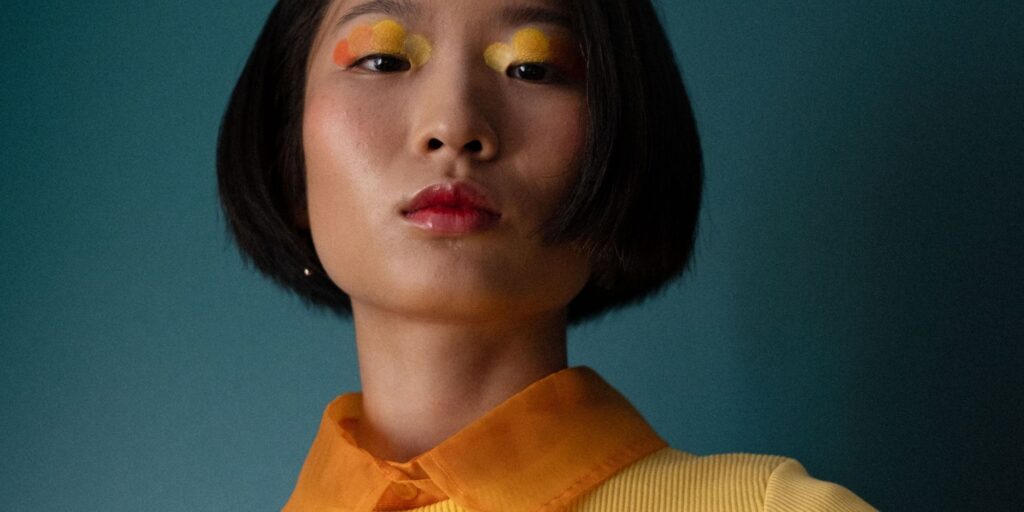
Neon yellow, sometimes called electric yellow, acid yellow, or fluorescent yellow, is a highly saturated, artificially bright hue that sits at the extreme warm end of the color spectrum. It has virtually no brown, no green, and no softening influence of any kind. It is pure, aggressive, undiluted color at its maximum intensity.
The result on most skin tones is not flattering. Highly saturated shades add visual complexity that most complexions simply cannot harmonize with. Most skin tones do not have enough green in their natural hue to work with such an intense garment, and the result is a sickly, unflattering cast across a wide range of complexions.
Even worse, neon yellow is one of those shades that gets more problematic the more of it you wear. Even people who look good in a yellow top can struggle when the color is worn head to toe. The sheer quantity of the hue overwhelms the eye and dramatically amplifies any undertone mismatch.
Who It Affects Most: The Skin Tone Breakdown
Cool Undertones: The Biggest Challenge
If your skin has cool undertones, which means pink, rosy, or blue-based undertones, neon yellow is particularly unforgiving. Here is the color theory reason: bright shades of this hue sit too close to the pigment in skin and create an unflattering visual blend. The contrast between your skin's cool base and the shade's aggressive warmth reads as a sallow cast across the face. Strong versions should be avoided entirely by cool skin tones, alongside orange and tomato red.
The solution for cool undertones is not to avoid the color entirely but to find versions that carry enough desaturation to remove the clashing effect. Very pale, desaturated options like butter, pale champagne, or cream carry so little saturation that the hue conflict with cool skin is minimized. Even then, keeping this color below the waist rather than near the face reduces the risk significantly.
Fair and Pale Skin: The Washout Problem
For those with fair or pale skin, neon yellow creates a specific and very visible problem: it washes the complexion out rather than warming it up. Pale lemon and chalky pastels make fair skin look tired rather than radiant. The same applies to the neon version, which provides so much color contrast that it overshadows the face rather than illuminating it.
The shades that actually work for fair skin are the ones with warmth and depth: mustard, sunflower, marigold, and rich golden tones. These create contrast against pale skin and give the complexion a healthy, glowing look rather than competing with it.
Warm and Medium Skin Tones: Proceed With Caution
Warm and medium skin tones have a more forgiving relationship with this color in general, but even here the neon version presents challenges. The issue is saturation rather than undertone conflict. At its most intense, neon yellow can overwhelm even warm complexions, creating an outfit that reads as costume rather than considered.
Warm skin tones are better served by the richer, earthier versions, mustard, ochre, golden, and sunflower, all of which harmonize with warm undertones in the skin rather than fighting for attention.
Deeper Skin Tones: The Exception to the Rule
Deeper skin tones are the one category that can genuinely carry saturated shades more easily, and neon yellow is no exception. The depth and richness of a deeper complexion provides enough contrast to work with even the most intense versions, and the result can be genuinely striking. However, even here, the richness of golden and warm tones tends to produce a more sophisticated and flattering result than the artificial brightness of neon.

Why Neon Yellow Is Everywhere Right Now
Here is the frustrating part: neon yellow is trending precisely because it photographs so brilliantly. On social media, in editorial shoots, and in the highly controlled lighting environments of fashion week, it is a visual knockout. It pops. It demands attention. It generates engagement.
What those images do not show is how the same shade performs in natural light, against real skin, on a person walking to work or sitting across from someone at dinner. The conditions that make it look extraordinary on screen are not the conditions under which most people wear their clothes.
Butter, by contrast, dominated fashion for several years because it photographs beautifully and also happens to look genuinely good in real life, on a wide range of skin tones, in natural light. The shift toward more saturated shades in 2026 is a visual spectacle on the runway. In practice, it is a more complicated proposition.
What to Wear Instead
The good news is that yellow does not have to be neon to be interesting. There is a whole spectrum of shades that deliver the color's warmth and joyfulness without the undertone conflict that neon creates.
Mustard and Ochre Mustard and ochre are the easiest shades to wear across the widest range of undertones. These muted, earthy options carry brown and tan tones that reduce the raw intensity and moderate undertone conflicts. They look expensive, they work with neutrals, and they have a rich, considered quality that the neon version can never achieve.
Golden Yellow For warm and deeper skin tones, the golden version is the sweet spot. Rich enough to make an impact, warm enough to harmonize with the skin, and sophisticated enough to work in tailored pieces as well as casual ones. This is the shade that actually delivers on the promise that neon makes.
Sunshine Yellow The sunshine version sits between neon and butter in the spectrum, offering vibrancy without the harshness of pure neon. It works effortlessly with reds, greens, and blues, and lifts neutrals particularly well alongside chocolate browns and blacks. For those who want the energy of yellow without the unflattering effects of its neon cousin, this is the answer.
Butter Yellow The pale, soft version that dominated recent seasons remains the most universally wearable option for cool undertones and fair skin. It carries so little saturation that the hue conflict with cool skin is minimized, while still delivering a genuinely summery, optimistic quality. If you have cool undertones and want to wear yellow, butter worn below the waist, or as an accessory, is your safest and most stylish entry point.

How to Tell Which Shade Works for You
The simplest test is also the most reliable: hold the fabric up to your face in natural light and look at what happens to your complexion.
If your skin looks brighter, more awake, and healthier, the shade is working with you. If you look tired, sallow, or washed out, it is working against you. No amount of the right accessories or makeup will fully correct a color that is fundamentally clashing with your undertone.
A secondary guide is your jewelry preference. If silver tends to look more natural against your skin than gold, you likely have cool undertones, and the brighter, warmer versions will be more challenging. If gold jewelry looks immediately right and warms your complexion, the warmer shades will work in your favor.
The Bottom Line
Yellow is a genuinely exciting color in fashion right now, and the enthusiasm for it is well-deserved. But the neon version of the trend, the one that is loudest on social media and most visible on the runway, is also the one that is hardest to wear in real life on real skin.
The color theory is clear: neon yellow creates undertone conflicts across most skin tones that no amount of styling can fully resolve. The solution is not to avoid the color altogether. It is to find your shade - the one that harmonizes with your specific undertones, flatters your complexion in natural light, and looks as good in person as it does in a photograph.

Jiva Kalxume is the Founder and Creative Director of 405Threads, an artist and designer whose work has been featured on runways, at Fashion Week, and in fashion publications, bringing a globally inspired perspective shaped by her diverse cultural background and passion for creativity, self-expression, and accessible style.