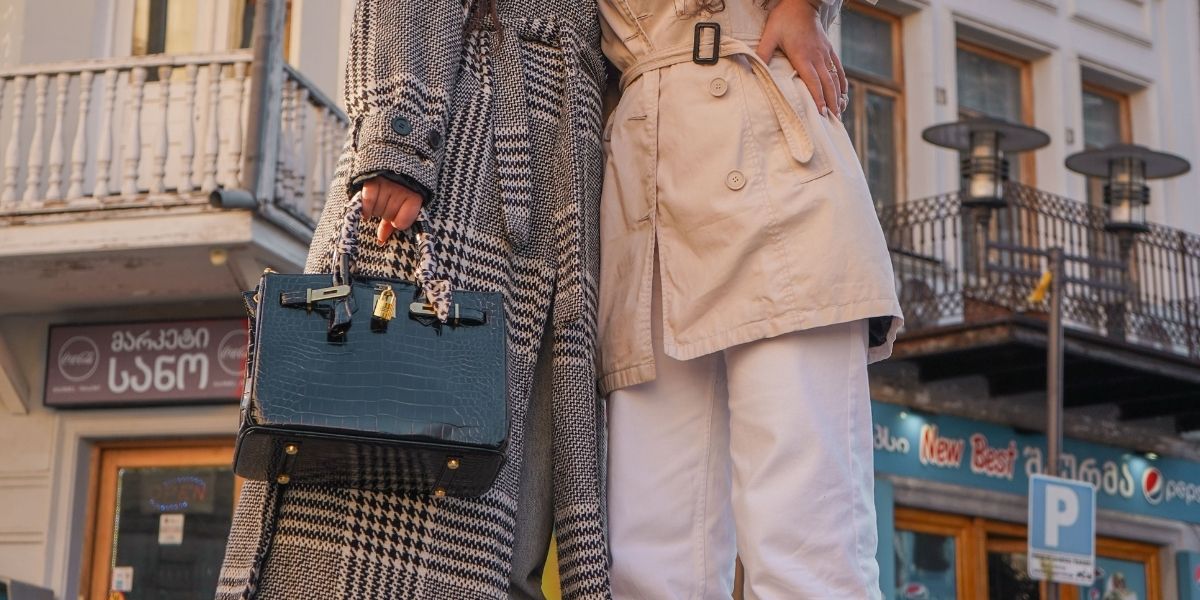
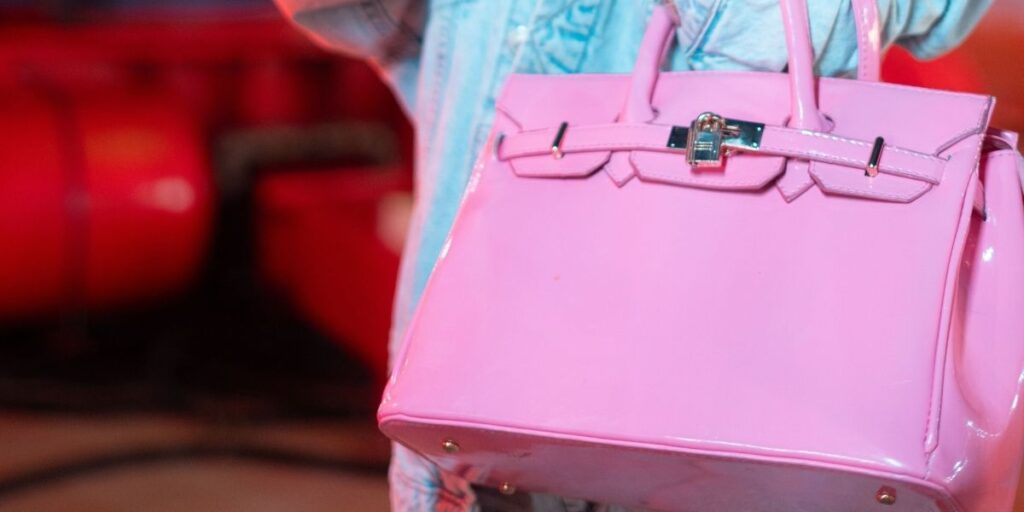
If you have ever tried to buy a Birkin bag by walking into a Hermès store and simply asking for one, you already know the answer you got. There is no formal waitlist, no sign-up sheet, and no number you can call to reserve one. And yet almost everyone who has looked into it walks away with the same impression: getting a Birkin bag is one of the hardest legitimate purchases in fashion, harder in practice than buying almost anything else at a comparable price. That contradiction, no official barrier but a very real one, is the entire story of the Birkin.
Style has always been about the details a person chooses to invest in, whether that is a considered nail art ideas appointment before an event or the one bag someone spends years working toward. The Birkin just happens to be the most extreme example of that idea, because the barrier to owning one was never really about money.
There is no waitlist, and that is the point
Hermès has said publicly, more than once, that it does not run a waitlist for the Birkin. CNN and PurseBop have both reported the same thing after speaking with current and former sales associates: there is no document with your name on it, no queue you can join, no store manager keeping a running list. What exists instead is something closer to a relationship. Regular customers build a purchase history with a specific sales associate over time, buying scarves, ready-to-wear, shoes, or home pieces on repeat visits. At some point, if a Birkin becomes available and that associate believes you are a genuine, loyal customer rather than someone looking to resell it, you might be offered one. Sometimes that happens on a first visit. More often, people report it taking years of steady spending and store visits before an offer ever comes.
Insiders call this informal system "la clientèle." It is not written policy anywhere, but it is consistent enough across Hermès boutiques worldwide that fashion journalists, secondhand dealers, and disappointed shoppers all describe the same pattern. You do not chase the bag directly. You build a relationship with the house, and the bag, if it comes, comes to you.

What it actually costs to get in the door
The starting price for an entry-level Birkin in standard leather is generally somewhere in the $9,000 to $11,600 range depending on size, with exotic skins like crocodile or ostrich running into the tens of thousands. That is only the price of the bag itself. The real cost of "getting offered" one is the purchase history built beforehand, and multiple accounts, including claims made in a 2024 lawsuit against Hermès, put that ancillary spending in the thousands, sometimes tens of thousands of dollars, before a Birkin ever enters the conversation.
That lawsuit is worth knowing about if you are researching how the system actually works. In March 2024, a group of plaintiffs filed a federal class action against Hermès in California, alleging the company illegally ties Birkin and Kelly bag access to prior purchases of other, less desirable merchandise, in violation of U.S. antitrust law. NPR reported the suit's core allegation directly: that Hermès "reserves the coveted Birkin and Kelly handbags... for customers who have a history of buying other, often less-desirable Hermès merchandise." A judge dismissed the case later that year for failing to sufficiently allege that Hermès holds monopoly power in the relevant market, and the plaintiffs have since appealed to the Ninth Circuit, with Hermès pushing back on the appeal as of late 2025. Whatever the legal outcome ends up being, the lawsuit itself is a useful confirmation of what shoppers had been describing anecdotally for years.
Where the bag actually came from
It is worth remembering that the Birkin started as a genuinely practical solution, not a marketing plan. The well-known story, retold consistently by Hermès and in fashion press for decades, is that actress and singer Jane Birkin met Hermès executive Jean-Louis Dumas on an Air France flight in 1984. Her straw bag spilled its contents in front of him, and she complained that she had never found a leather weekend bag that actually worked the way she needed it to. Dumas reportedly sketched an early design for what became the Birkin on the back of an airsickness bag during that same flight. Whatever the exact details of that in-flight conversation, the resulting bag was named after her, and it was originally intended as a functional, structured tote rather than the aspirational object it eventually became. The mythology built up around scarcity came later. The bag itself started as a fix for a real complaint.
Why Hermès built it this way
Scarcity is not an accident here, it is a strategy, and a fairly transparent one once you look at it directly. Hermès makes a limited number of Birkins relative to demand, on purpose, because unlimited supply would collapse the thing that makes the bag valuable in the first place. A brand can manufacture more units. What it cannot manufacture is the feeling that owning something required more than money. The relationship-based system does that work. It turns a transaction into an earned outcome, and earned outcomes carry social weight that a simple purchase never will.
This is also why resale prices for Birkins routinely exceed retail. A bag that costs $10,000 in-store can sell for two or three times that on the resale market, not because the materials or craftsmanship changed, but because the resale price reflects the difficulty of the acquisition itself, not just the object.
What about the Kelly bag?
Anyone researching the Birkin inevitably runs into its sister bag, the Kelly, named after Grace Kelly, and the honest answer is that the Kelly runs through the exact same relationship-based system. It is not meaningfully easier to get, despite occasional claims otherwise. What differs is the profile of the two bags rather than the difficulty of acquiring either one. The Kelly has a structured, flap-and-strap silhouette with a more formal, old-Hollywood association, while the Birkin's open-top, handle-carried shape reads as slightly more versatile day to day. Sales associates sometimes offer whichever bag they have available first, rather than the customer choosing between them, which means the two effectively function as one pool of equally scarce, equally sought-after options rather than a harder option and an easier one.
Can you skip the line?
People ask this constantly, and the honest answer is: not reliably, and not without real risk. Paying a personal shopper or reseller to acquire a Birkin for you is common, but it usually means paying well above retail, sometimes the full resale markup, to skip a process Hermès designed specifically to be unskippable. Some resale platforms and personal shopping services operate in good faith and simply have existing relationships with Hermès sales associates built over years. Others exist purely to profit from other people's impatience. If you go this route, vet whoever you are working with as carefully as you would any five-figure purchase, because the market around Birkin acquisition has its own share of scams.
The more sustainable path, if owning one is a genuine goal rather than a status checkbox, is the boring one: shop at Hermès regularly, build an actual relationship with one sales associate, and let the process take as long as it takes. It is not a fast strategy, and it is not guaranteed. But it is the only version of the process that does not involve paying a stranger a premium for a shortcut.
The Birkin is not the only bag worth wanting
It is worth saying plainly that the Birkin's difficulty is part of its appeal, not a flaw in an otherwise normal luxury purchase. Plenty of houses sell status without the obstacle course. The goyard bag has built a similar reputation for exclusivity through limited retail presence and quiet, in-person-only sales, without requiring years of relationship building first. If the goal is a genuinely great bag rather than the specific mythology around one house, there are real alternatives that do not demand the same years-long courtship.
And ultimately, the pursuit of one grail item, however coveted, should not overshadow the basics that make up the rest of a wardrobe. A closet built on well-chosen essentials, the kind you can find in a smart uniqlo run, still matters more day to day than any single bag ever will. The Birkin is a fascinating case study in how scarcity and relationship create desire. It should never be the only thing anyone's personal style depends on.

Becs is a professional stylist and fashion contributor with years of industry experience working alongside high-profile celebrities, entertainers, and public figures. Known for blending timeless elegance with contemporary style, she specializes in celebrity fashion analysis, trend forecasting, and wardrobe styling.