Designer investment pieces are the fashion category where the language of finance and the language of style overlap most directly, and the overlap is genuine rather than aspirational. Certain categories of luxury goods have demonstrated consistent appreciation over long periods of time, and the financial case for purchasing them rests on verifiable resale data rather than brand mythology. Understanding which categories perform well, which brands have the strongest track record, and what conditions produce the best investment outcome separates the purchases that actually function as investments from the ones that use investment framing to justify consumption.
The Handbag Investment Case
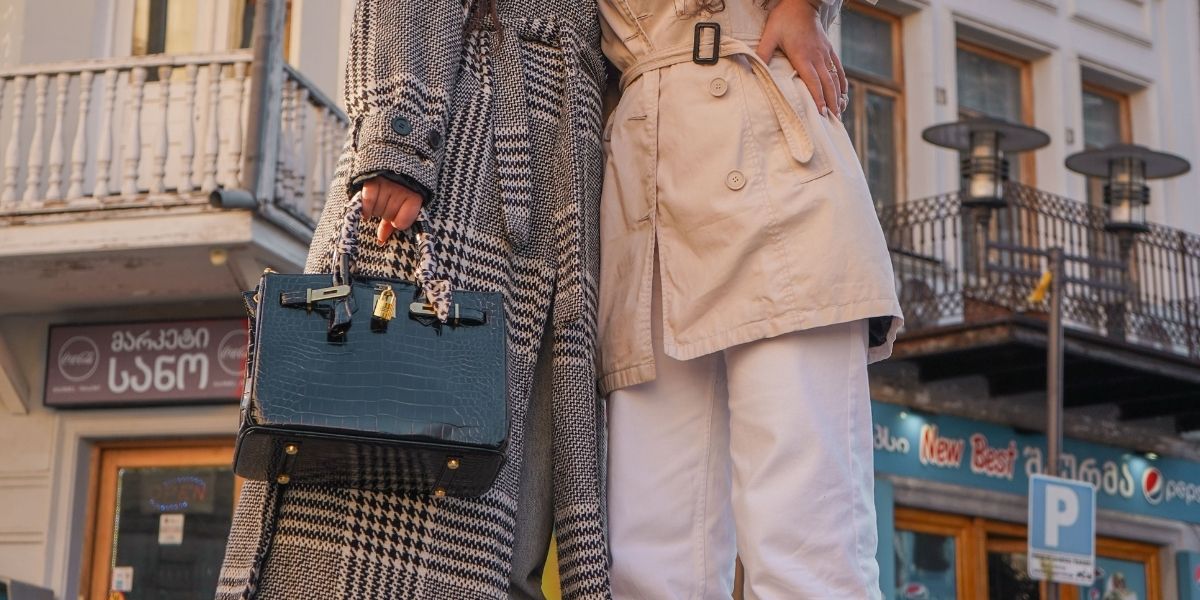
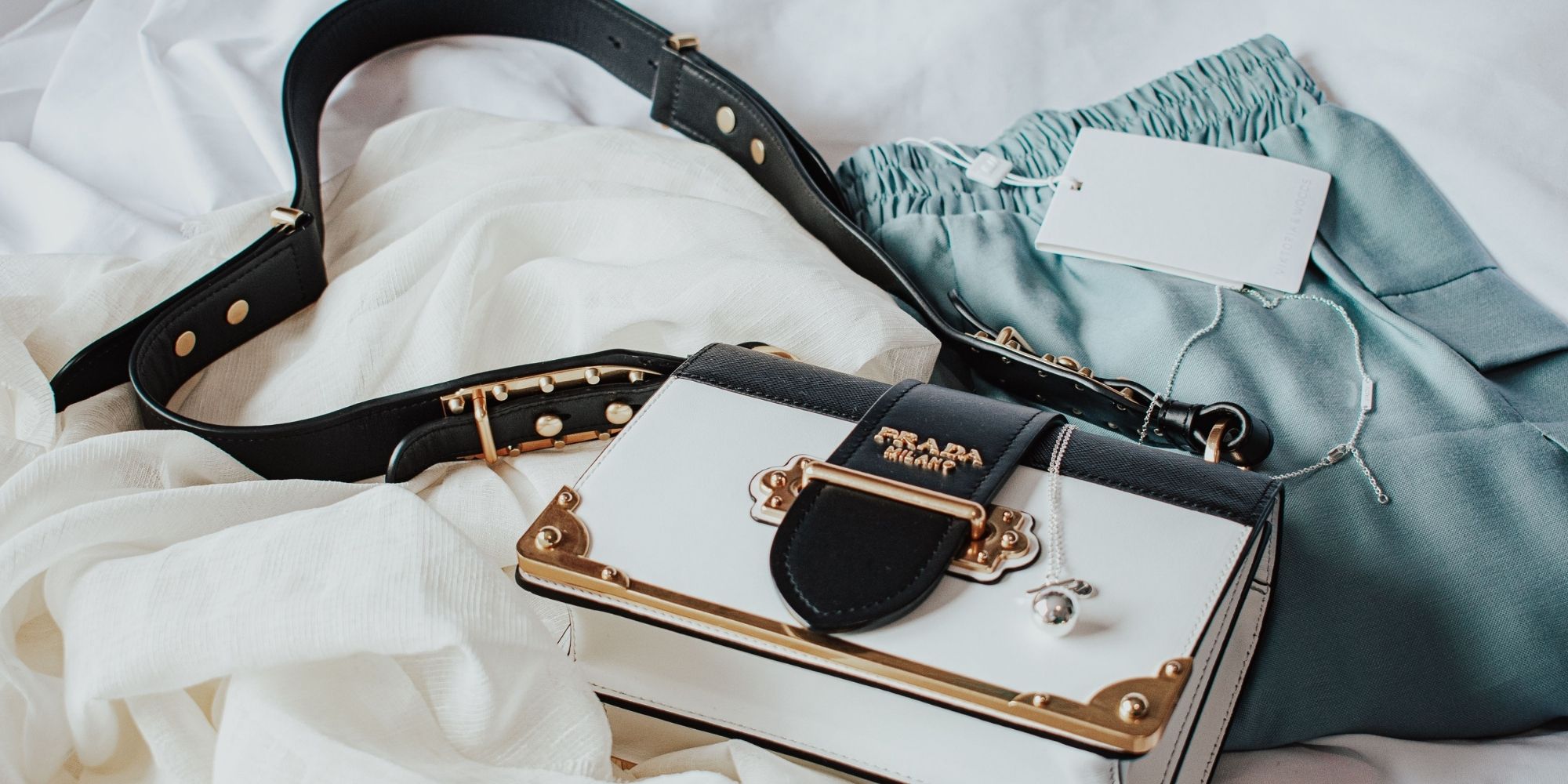
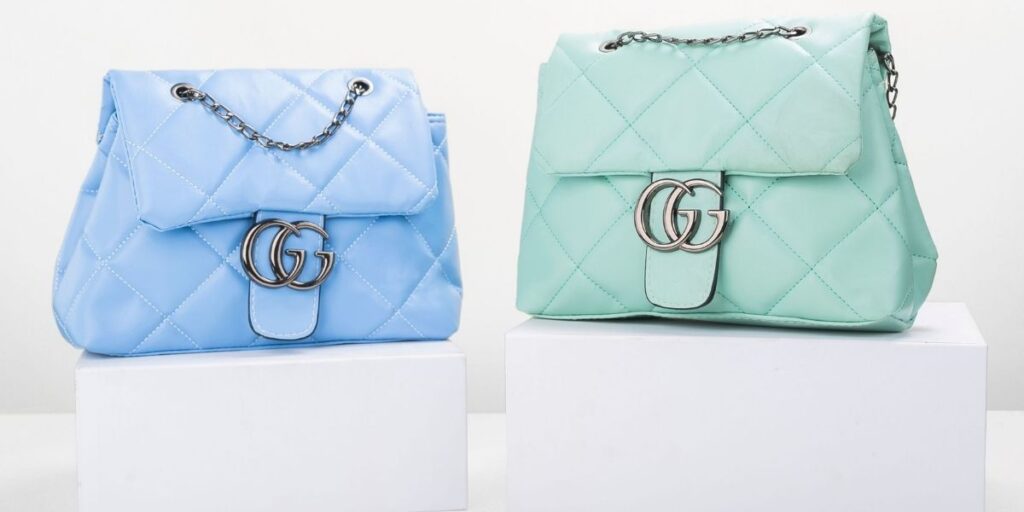
The handbag category has produced the most documented and most consistent designer investment pieces returns of any fashion segment. The Hermès Birkin and Kelly bags are the most frequently cited examples, and the data supports the citation: independent analyses of auction results and resale platform data consistently show appreciation rates of 10 to 15 percent annually over the last decade for authenticated examples in good condition, outperforming traditional asset classes including the S&P 500 and gold over the same period.
The conditions that produce the Birkin's investment performance are specific and not easily replicable across the luxury handbag category. Production volume is strictly controlled by Hermès, which maintains artificial scarcity. The brand's refusal to sell directly to new customers, requiring a purchasing history before access to the most desirable pieces, concentrates supply in the hands of established buyers and maintains demand among aspirational buyers who cannot easily access the primary market. The craftsmanship and material quality is genuinely exceptional and produces longevity that fast-fashion comparable products cannot approach.
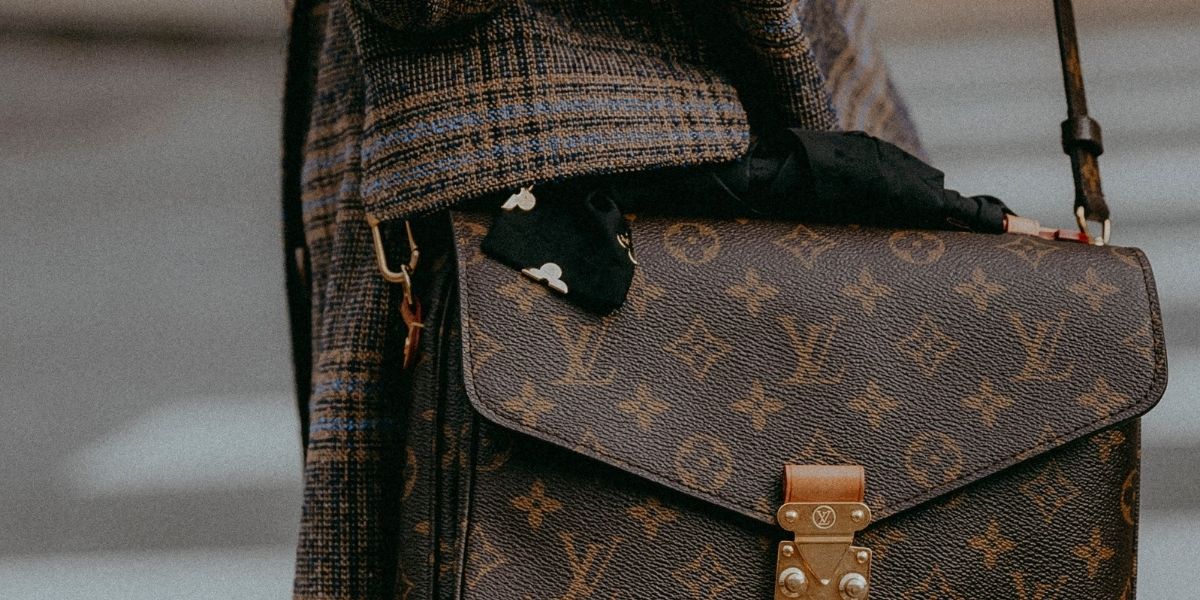
What drives cultural value, is a component of designer investment pieces performance: a bag that sophisticated buyers immediately identify as desirable maintains demand more reliably than one that requires explanation. Goyard's own resale performance has strengthened significantly as global awareness of the brand has grown, demonstrating that investment performance in designer pieces is partly a function of cultural reach.
The Celebrities Who Have Treated Designer Pieces as Portfolios
The designer investment pieces conversation is most visible at the celebrity level, where the amounts involved make the financial logic undeniable. Victoria Beckham has spoken publicly about her Hermès Birkin collection as a deliberate financial asset, accumulated over years and valued at figures that rival conventional investment portfolios. Her collection has been documented in enough detail that specific pieces can be tracked against auction records, and the appreciation is real and substantial.
The NBA sneaker and watch culture has produced some of the most visible designer investment pieces portfolios outside the fashion world. LeBron James, Dwyane Wade, and Russell Westbrook have all been photographed and documented wearing watches and carrying accessories that represent serious investment positions. A Patek Philippe Nautilus or a Richard Mille on a professional athlete's wrist is not purely a style statement: these watches trade at significant premiums on the secondary market, and the athletes who have held them rather than selling have seen meaningful appreciation.
The resale sneaker market has its own celebrity portfolio story. Michael Jordan's connection to the Air Jordan line means that authenticated player-worn and signed pairs from specific games trade at auction prices that exceed most conventional collectibles. The designer investment pieces logic that governs the broader sneaker market has its clearest expression in the documented auction results for celebrity-connected pieces, where provenance adds a multiplier to the underlying resale value that no amount of condition preservation can replicate.
The Sneaker Investment Market
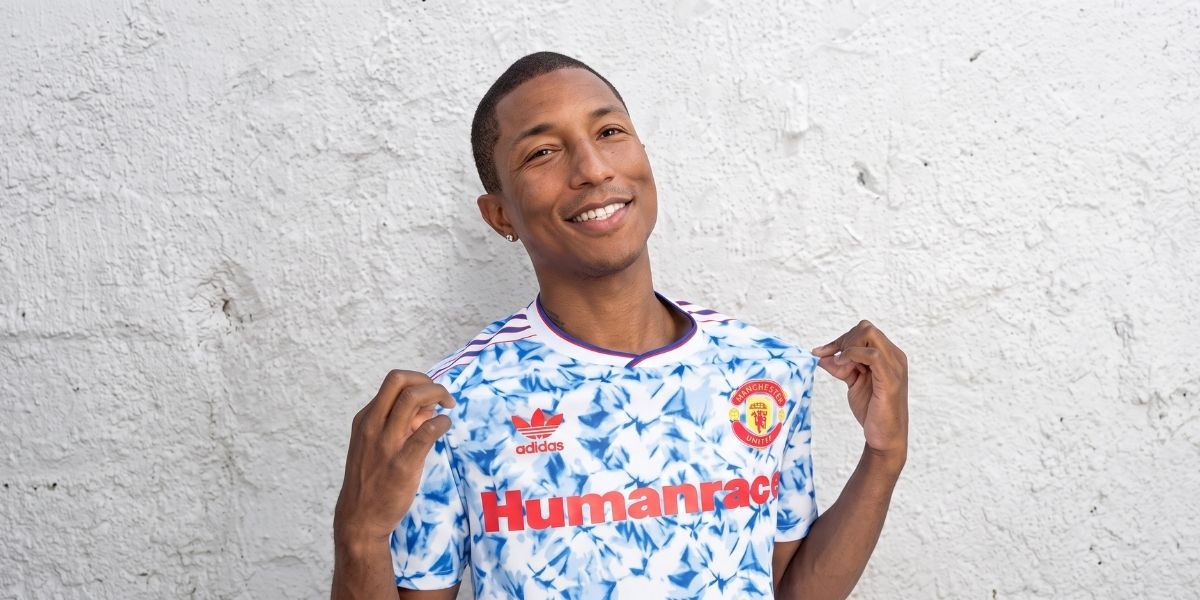
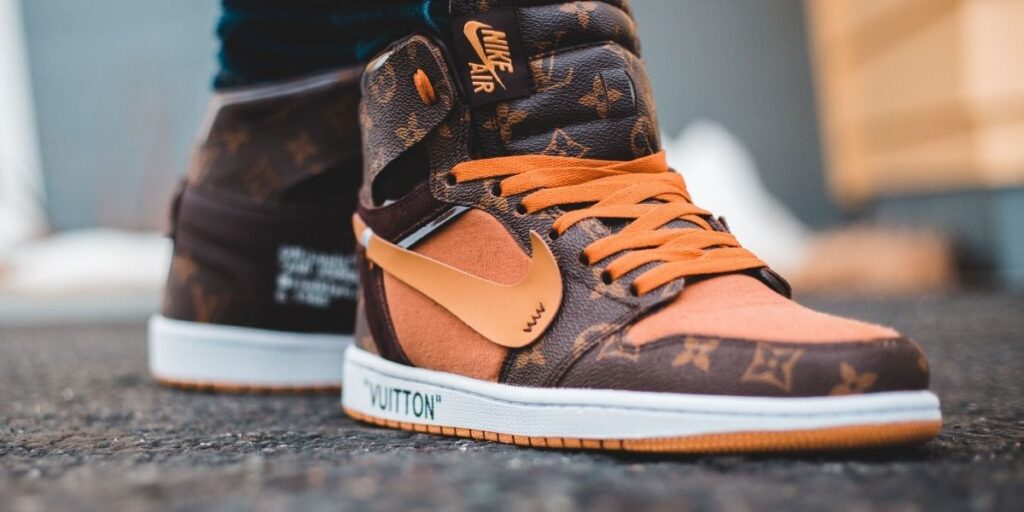
The sneaker resale market has produced some of the most dramatic designer investment pieces returns in any fashion category, alongside some of the most complete collapses. Nike Air Jordan 1 retros, Adidas Yeezy releases before the Kanye West brand collapse, and select New Balance collaboration releases have all traded at multiples of retail price for sustained periods. The volatility of the sneaker market, however, is significantly higher than the handbag market, and the conditions that produce appreciation are considerably harder to predict.
The sneaker designer investment pieces that have produced the most reliable long-term appreciation share specific characteristics: genuine scarcity rather than manufactured scarcity that can be reversed with additional production runs, cultural significance that transcends the sneaker community into broader popular culture, and condition preservation that maintains the unworn status that commands the highest premiums.
The quantitative models that predict resale performance based on historical data produce better outcomes than intuition-driven purchasing, and the platforms that provide transparent market data for specific models and colorways are the analytic tools worth using before making significant purchases.
The Jewelry Category
Fine jewelry represents the designer investment pieces category with the most stable underlying value proposition: the intrinsic value of precious metals and stones provides a floor that fashion goods without material value cannot match. A diamond ring from a well-regarded house will never be worth zero regardless of what happens to the brand or the trend cycle, because the material can always be reclaimed.
The appreciation beyond intrinsic value that makes fine jewelry genuine designer investment pieces rather than simply value-preserving purchases comes from provenance, condition, and the cultural significance of specific pieces and brands. Cartier's Love bracelet, Van Cleef and Arpels' Alhambra series, and Tiffany's key and padlock designs have all demonstrated appreciation above the intrinsic value of their materials over extended periods.
The wazicollas consumer brand observation method that identifies investment-worthy brands through genuine demand signals applies directly to jewelry: the pieces commanding consistent premiums on the secondary market are the pieces where real demand from buyers who understand value drives the price, not speculation from buyers trying to time a trend cycle.
The honest designer investment pieces summary is that the handbag category has the strongest evidence for consistent returns, the sneaker category has the highest variance, and fine jewelry has the most predictable floor with meaningful appreciation potential from provenance and cultural significance. All three require condition preservation, authentication, and patient holding periods to realize their investment potential.

Grace leads the editorial vision behind 405Threads’ coverage of celebrity style, fashion trends, and wardrobe essentials. With a lifelong passion for fashion, a diverse cultural background, and expertise in trend forecasting, celebrity fashion analysis, and style curation, she brings readers a global perspective that remains accessible and relevant to everyday life. Grace believes fashion is about more than following trends – it’s about self-expression, confidence, and individuality.