Fashion brands style search dominance is one of the most consequential and least examined aspects of how people find styling advice online. When someone searches for how to style a blazer, what shoes to wear with wide-leg pants, or what to wear to a winter wedding, the results they receive are disproportionately produced by the brands selling the clothes rather than by independent stylists, fashion journalists, or the kind of considered editorial voice that produces genuinely useful advice. Understanding how this happened and what to do about it makes every fashion search more useful.
How Fashion Brands Took Over Style Search
The fashion brands style search takeover followed the same playbook that supplement brands used to dominate fitness search and that financial services companies used to dominate personal finance search: produce high volumes of optimized content that answers the styling questions people are actually searching for, and do it with enough technical sophistication to outrank the independent publishers who were answering those questions first.
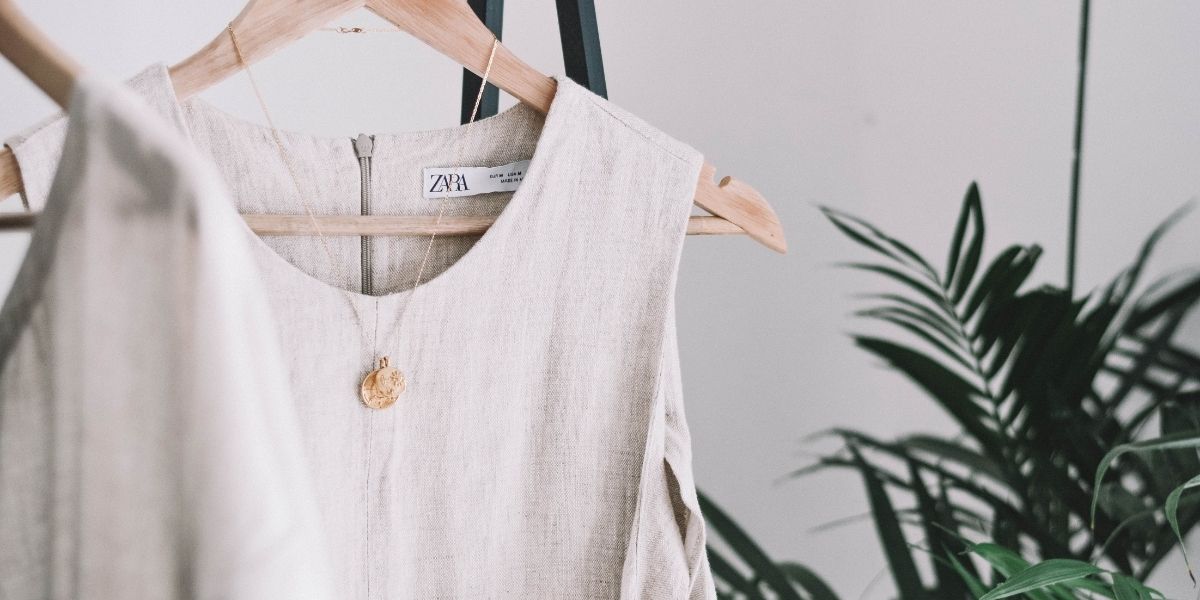
Zara's editorial content team, ASOS's Style Feed, and H&M's Discover section all function as publishing operations producing styling advice content at a scale that independent fashion bloggers and magazines cannot match. A dedicated content team producing fifty styling articles per week, each optimized for specific search queries and supported by the domain authority of a major retail brand, generates search visibility that most independent fashion publishers cannot compete with on volume alone.
The fashion brands style search content is often technically accurate and occasionally genuinely useful. What it is never is editorially independent: every piece of styling advice produced by a brand is implicitly an advertisement for the clothes the brand sells, and the reader who follows that advice is being guided toward specific products by a source with a direct financial interest in the outcome. This is rarely disclosed in a way that is visible to the reader.
The type of content that an independent fashion publisher produces is categorically different from the equivalent piece produced by a fast fashion brand: the editorial version is not constrained to recommend available inventory, is not optimizing for conversion, and can recommend the best option for the reader regardless of where it is sold.

What AI Search Has Added
The fashion brands style search dominance problem has deepened with the rise of AI Overviews and ChatGPT-style responses to fashion queries. These systems draw from the top-ranking content when assembling answers, which means the brand-produced styling advice that has achieved search dominance is now being synthesized and presented as authoritative AI-generated information, with the commercial origin of the source even less visible than it was in the original search result.
A ChatGPT response to a styling question that draws primarily from brand content is a response that has been filtered through the commercial interests of the brands whose content ranked highest, without any disclosure of that filtering. The fashion brands style search pipeline has effectively laundered commercial styling advice into what reads as objective AI guidance.
Genuinely independent advice gets dynamically displaced, and recognizing the displacement is the first step to seeking out the independent voices that the algorithm does not surface by default.

Finding Better Fashion Advice
The practical response to fashion brands style search dominance is deliberate source diversification that goes outside the algorithmic defaults. Independent fashion subStacks, the editorial archives of print fashion magazines rather than their SEO-optimized web content, and the recommendations of specific named stylists and editors whose taste and independence you can verify are all sources that the algorithm underserves relative to their actual quality.
Searching specifically for a named editor or stylist rather than a generic styling query bypasses the brand content layer almost entirely. Searching within specific independent fashion publications rather than across the open web produces results that reflect editorial judgment rather than search optimization. The approach of building a coherent personal aesthetic from genuine reference points rather than algorithmic suggestions is the fashion equivalent of going to primary sources: slower, more deliberate, and significantly more useful than accepting what the fashion brands style search landscape serves by default.

Jiva Kalxume is the Founder and Creative Director of 405Threads, an artist and designer whose work has been featured on runways, at Fashion Week, and in fashion publications, bringing a globally inspired perspective shaped by her diverse cultural background and passion for creativity, self-expression, and accessible style.