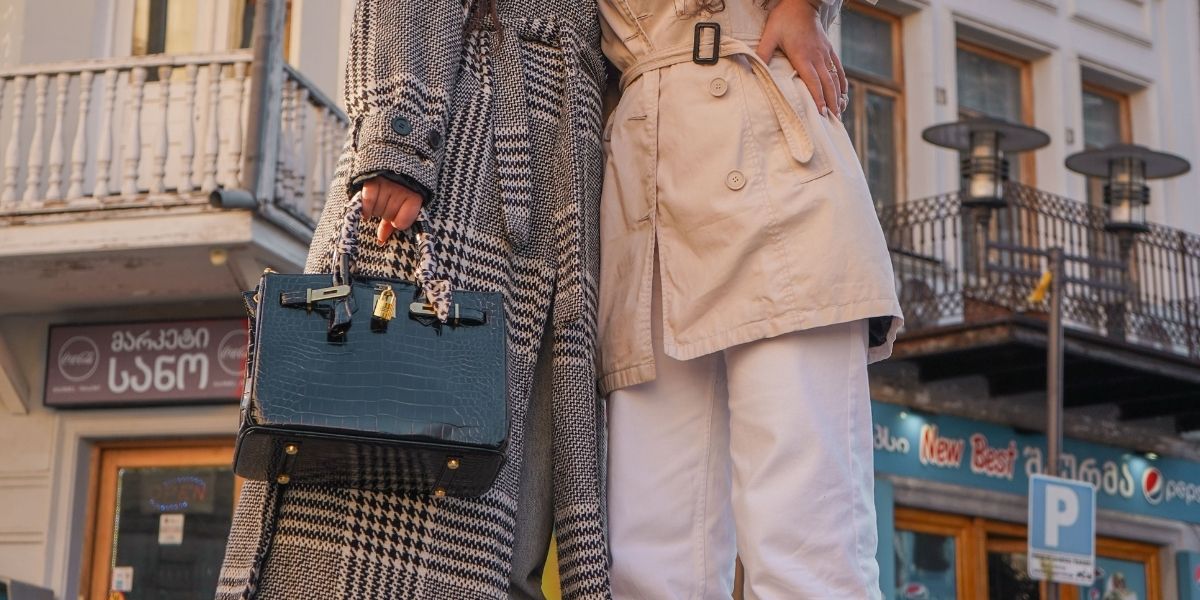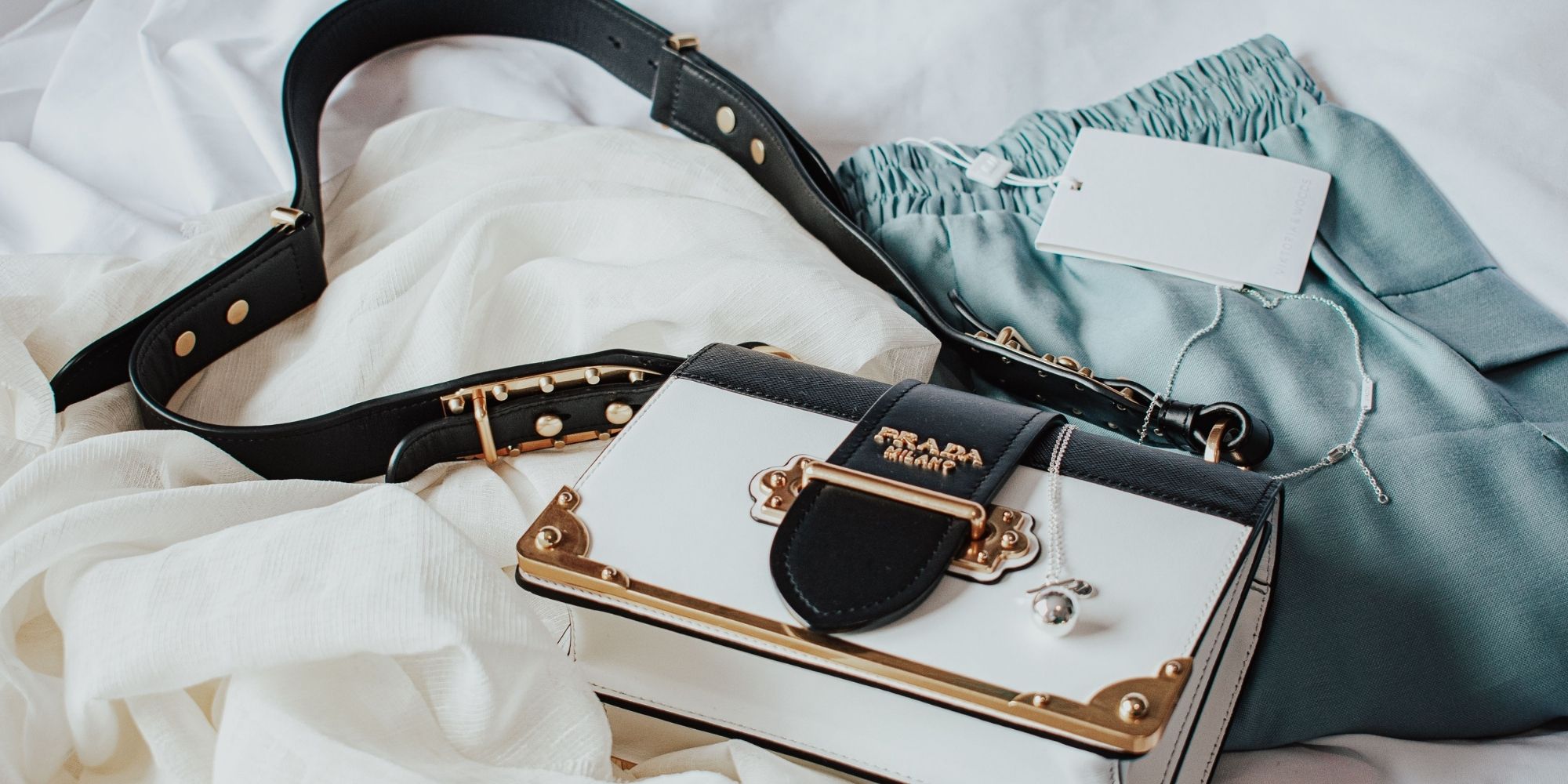

Fashion interior design trends have always borrowed from each other, but the speed and directness of the crossover in 2026 has accelerated in ways that make paying attention to the runway genuinely useful for anyone making home decor decisions. The colors, textures, and material sensibilities that appear on the fashion week catwalk in September tend to appear in home decor collections within twelve to eighteen months, and understanding that pipeline gives a homeowner a real preview of where interior design is heading before it arrives in the mainstream.
The Texture Conversation
The fashion interior design trends most visible in 2026 are leading with texture rather than color, which mirrors the fashion moment precisely. The runway collections that dominated recent seasons emphasized fabric weight, surface interest, and material contrast over print and color as the primary visual tool, and the interior design response is a parallel move toward layered textiles, tactile wall treatments, and material combinations that reward proximity rather than distance.
Boucle, which saturated both fashion and interior design simultaneously in the early 2020s, is transitioning into more complex woven surfaces: fluted oak cabinetry, reeded glass panels, and the kind of surface articulation that adds visual interest without color. Limewash plaster walls, which became one of the most recognizable fashion interior design trends of the mid-2020s after years of smooth white dominance, are evolving toward more deliberately imperfect and regionally specific plaster techniques that reject the uniform finish entirely.
The algorithms home renovation dynamic that pushes certain aesthetics into saturation before they have properly settled applies here: the fashion interior design trends that are genuinely worth adopting are the ones with a material and craft logic that will outlast the trend cycle, not the ones that are simply performing well in a recommendation feed right now.
The Color Story
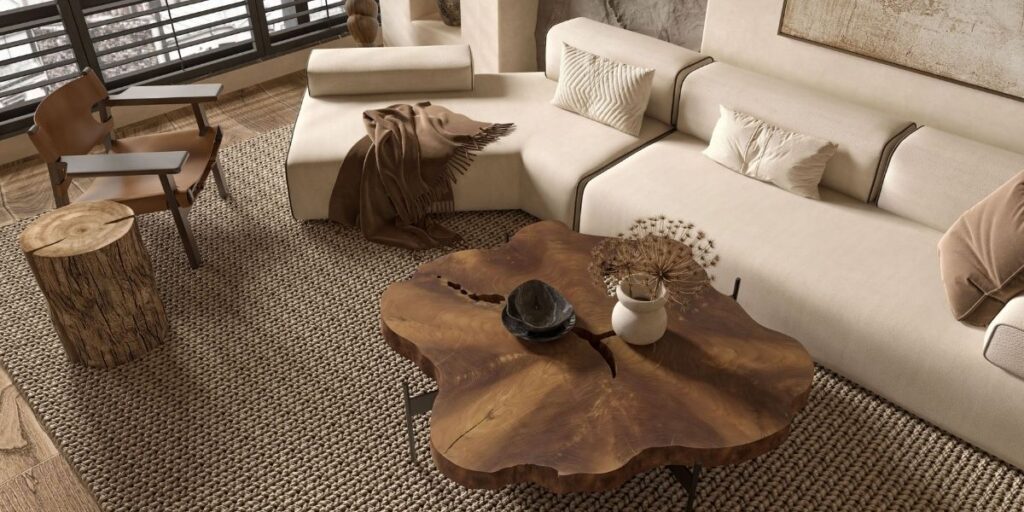
The fashion interior design trends color story for 2026 is built around warm neutrals and deep organic tones that represent a clear departure from the cool, gray-dominated palette that defined the previous decade. Warm terracotta, aged olive, and the kind of brown tones that were actively avoided in the 2010s are now the most sophisticated color choices in both fashion and interior contexts, which is the reliable signal that a color has genuinely arrived rather than simply been trend-predicted.
The fashion crossover is direct: the same warm brown leather that defines the most compelling runway bags is appearing in furniture upholstery, the earthy tones of the most compelling knitwear are appearing in wall paint, and the material palette of high-end fashion ateliers is appearing in bespoke joinery finishes. The design logic connecting the two is identical: these are colors that age well, that develop character rather than dating, and that reward quality materials in a way that brighter, trendier options do not.
The walk-in wardrobe design decision that chooses a warm wood tone over a painted white finish is making the same fashion interior design trends call that a wardrobe buyer makes when they choose camel over bright color: both will still look correct in ten years, and neither requires a complete rethink when the trend cycle turns.

The Sustainable Materials Convergence
The fashion interior design trends convergence that is most significant for the long term is the shared turn toward sustainable, natural materials driven by both aesthetic preference and environmental awareness. Natural linen, undyed wool, reclaimed timber, and unfired clay are appearing in fashion and interior design simultaneously for the same reasons: they look better than their synthetic equivalents in the contexts where authentic material quality is visible, and they satisfy a growing consumer preference for products with traceable, defensible provenance.
The fashion interior design trends that are worth investing in, as opposed to the ones worth noting and waiting out, are consistently the ones rooted in natural materials and quality craft rather than in color or novelty. A beautifully made linen sofa in an undyed natural tone is a fashion interior design trend that will remain correct for two decades. A bright-colored velvet sofa in the trending shade is a fashion interior design trend that will require replacement in five years.

Grace leads the editorial vision behind 405Threads’ coverage of celebrity style, fashion trends, and wardrobe essentials. With a lifelong passion for fashion, a diverse cultural background, and expertise in trend forecasting, celebrity fashion analysis, and style curation, she brings readers a global perspective that remains accessible and relevant to everyday life. Grace believes fashion is about more than following trends – it’s about self-expression, confidence, and individuality.