Nail art has stopped being an afterthought. It is now treated the same way a bag or a blazer is treated, as a deliberate piece of a finished look rather than something squeezed in the week before a wedding. The nail art ideas circulating right now split cleanly into two camps: color-and-pattern-forward looks built for self-expression, and quieter, structural designs built to read as polished in a boardroom. Both are valid, and the best move is knowing which one a given day actually calls for.
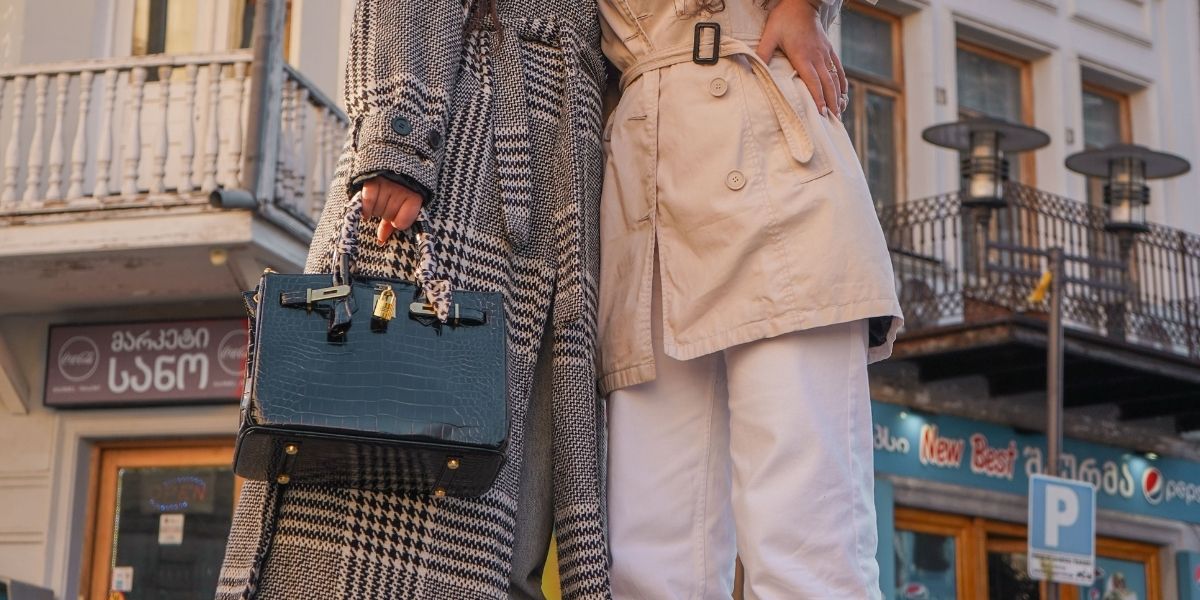
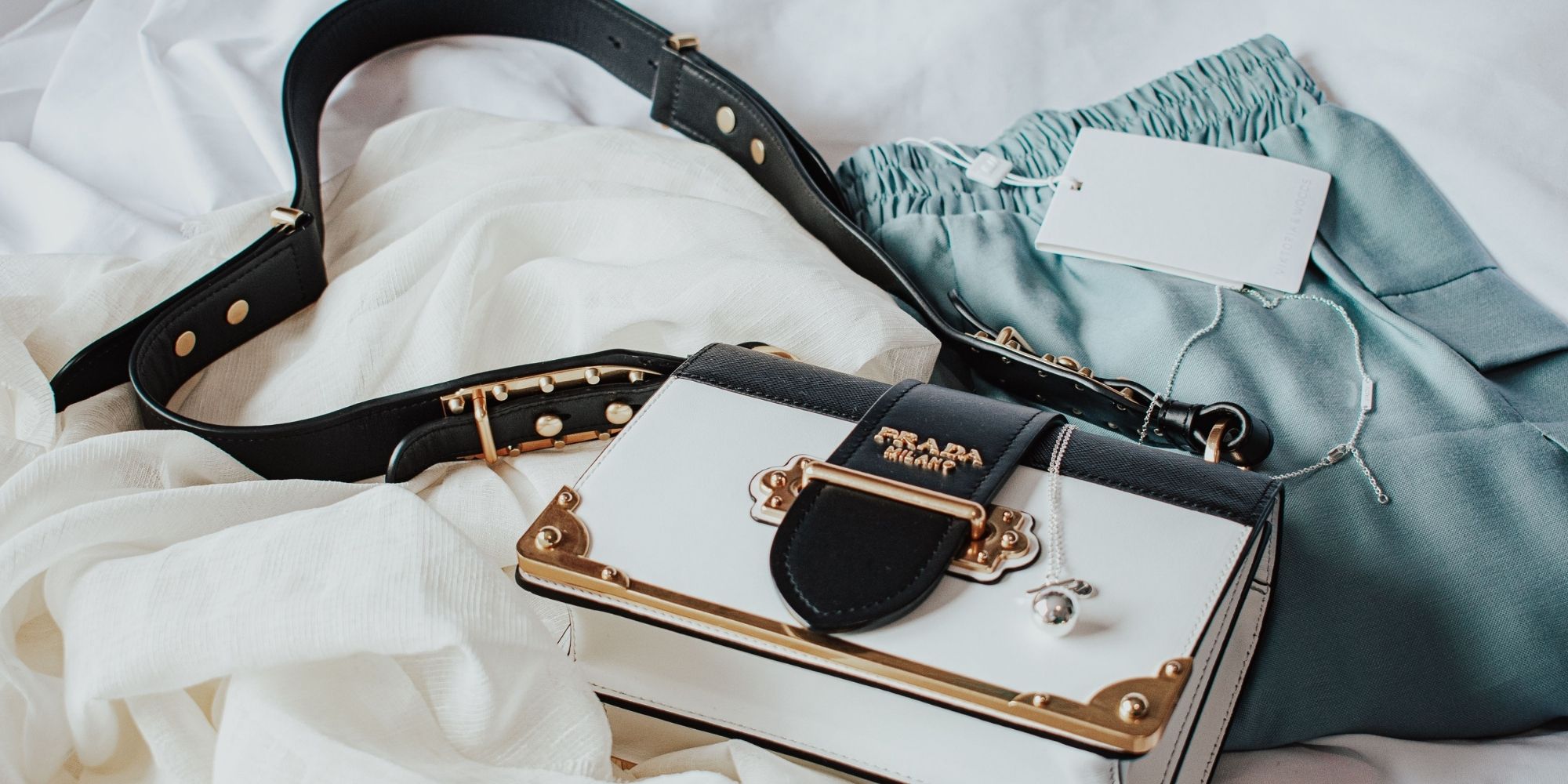
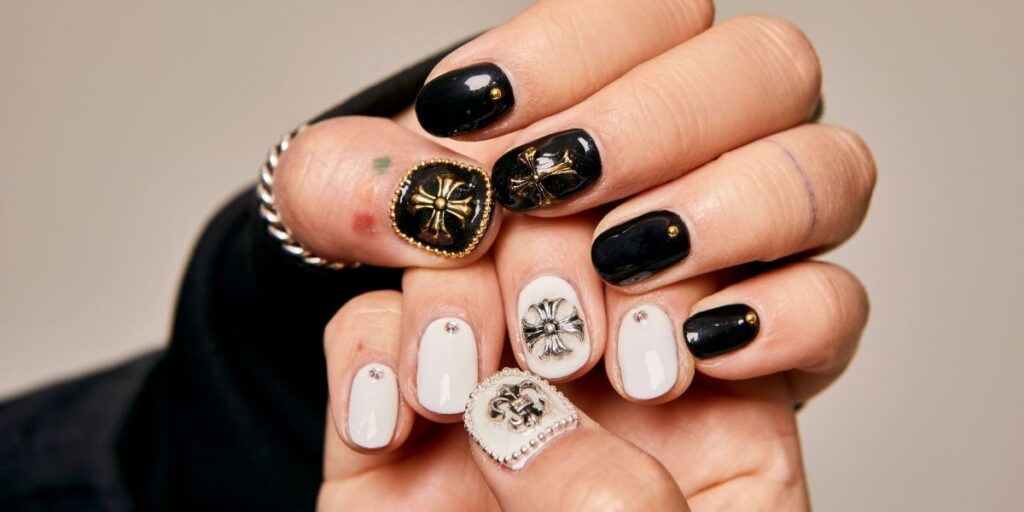
Color is where most people start, and this season the palette has genuinely shifted. Chrome and glazed finishes, the kind that catch light without reading as glittery, have moved from a niche request to a standard menu item at most salons. Butter yellow and soft pistachio have replaced the cooler pastels that dominated a few seasons back, and a warm, almost clay-toned red has become the new answer to "I just want something classic but not boring." If a manicure is doing any work at all in an outfit, whether that outfit is built around something as considered as a birkin bag or something far more casual, the color on your hands is one of the fastest ways to signal intention.
Patterns and designs that are actually holding up
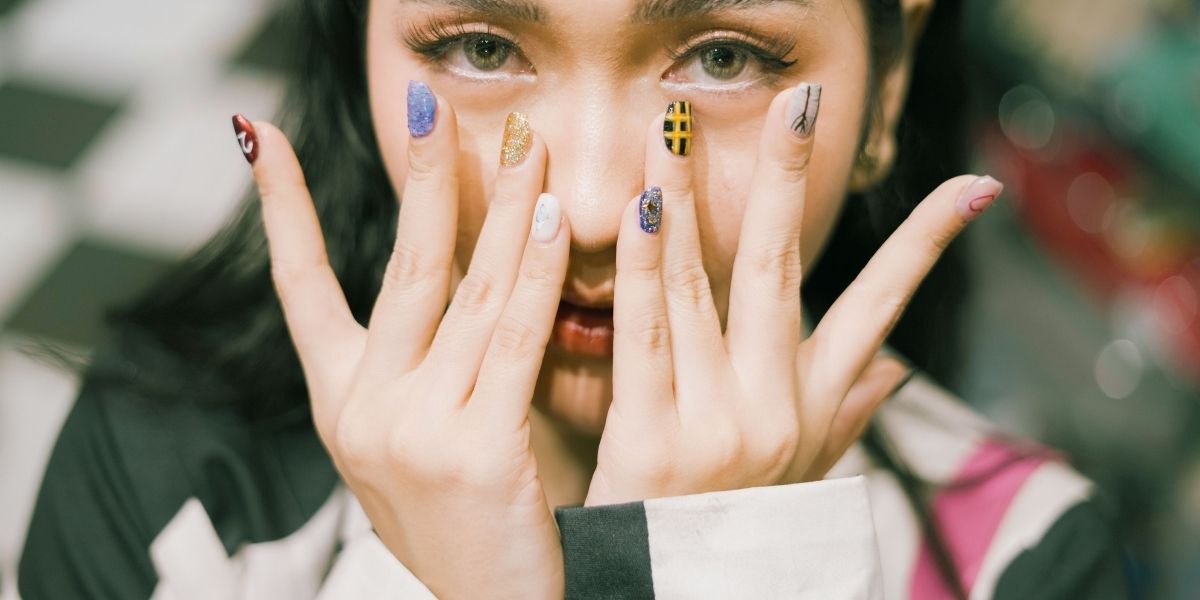
Checkerboard nails had a real moment and, unlike a lot of nail trends, they have stuck around because the design scales. A full checkerboard reads as bold and a little maximalist, but a single checkerboard accent nail against an otherwise solid color reads as considered rather than loud, which is why stylists keep bringing it back season after season.
French tips have been reinvented so many times at this point that "French manicure" barely describes one thing anymore. The current version leans thin, often colored rather than white, sometimes doubled with a second contrasting line just above the cuticle. It is a small technical detail, but it is the difference between a French tip that looks dated and one that looks current. Marble and swirl effects, done with a thin brush dragged through wet polish before it sets, have also come back strong, particularly in muted neutral tones that keep the effect from tipping into costume territory.
For anyone who wants something more expressive, hand-painted micro-florals and abstract linework, done on an accent nail or two rather than the full set, are showing up constantly on runway backstage accounts and in real salon requests. The trick with anything hand-painted is restraint. One or two nails carrying the design, with the rest in a clean base color, almost always reads better than a full set of busy nails competing with each other.
Fun versus formal, and how to tell the difference
The honest answer to "is this nail art office appropriate" usually comes down to three things: length, finish, and how much is happening on a single nail. Short to medium length with a matte or soft satin finish almost always reads as formal, regardless of color, because the shine and the length are doing more work than the color itself in signaling "casual." A glossy chrome finish in the exact same shade will read as going-out, even at the same length.
Pattern density matters just as much. A single fine line, a subtle ombré, or one understated accent nail keeps a manicure in professional territory. Full nail art on all ten fingers, however well executed, almost always reads as a statement rather than a background detail, which is fine for a weekend but worth thinking twice about before a client meeting. If your everyday style already leans toward uniqlo basics and clean lines, a quieter manicure with one intentional detail, rather than ten matching accent nails, tends to sit better with that overall aesthetic.

How to make any of these actually last
Whatever design you choose, the finish that lasts is almost always gel or a hard shellac topcoat rather than regular polish, especially for anything with fine linework or an accent design that would show chipping immediately. A proper gel manicure, cured correctly under UV light, should hold clean edges for two to three weeks without lifting, versus five to seven days for standard polish before it starts to visibly wear at the tips. If you are doing this at home rather than at a salon, investing in a genuine UV or LED lamp rather than skipping the cure step is the single biggest factor in whether a design actually holds.
One objection that comes up constantly is whether elaborate nail art is worth the salon time and cost if it only lasts a couple of weeks. It depends on what the manicure is doing for you. For a specific event, an elaborate design is worth it precisely because it is temporary and occasion-specific. For everyday wear, most people are better served by a simpler, more durable base, in a well-chosen color, with maybe one accent nail carrying a design, rather than a full elaborate set that starts to show wear within days and needs constant upkeep to stay presentable.
What to check on the product side
A question that comes up almost as often as which design to pick is what is actually in the polish going on your nails. Over the last several years, most reputable nail polish brands, including OPI, Essie, and most professional gel lines used in salons, have moved to formulas marketed as "5-free" or "7-free," meaning they leave out formaldehyde, toluene, dibutyl phthalate, and a handful of other ingredients that were standard in polish formulas decades ago and have since been linked to health concerns with repeated exposure. It is worth asking your salon which brands they use if this matters to you, since not every salon has switched fully, particularly for gel base and top coats, which sometimes still rely on older formulations for durability. For at-home use, checking a brand's ingredient list before buying is a quick way to know exactly what you are working with.
Salon versus at-home, and what the cost difference actually buys
A full salon gel manicure with hand-painted detail typically runs somewhere between $50 and $100 depending on region and design complexity, while a basic gel color change without art usually lands closer to $35 to $45. That gap is not just about labor time. A trained nail technician is controlling cure time under the UV lamp, prepping the nail bed properly so polish does not lift early, and shaping the free edge consistently across all ten nails, details that are easy to get wrong at home even with good products.
At-home gel kits have gotten genuinely better in the last few years, and for a simple, single-color manicure, a decent at-home kit with a real UV or LED lamp can produce results close to salon quality for a fraction of the price over time. Where at-home application tends to fall short is intricate linework and multi-step designs like marble effects or fine French lines, since those require a level of brush control and steady hand that takes most people real practice to develop. If a design is simple, doing it yourself is a reasonable way to save money. If it involves several colors or fine detail work, a salon visit is usually worth the cost difference.
Building a manicure into the rest of your look
The best nail art ideas right now are the ones that respond to the rest of an outfit rather than existing in isolation. A quiet, formal manicure pairs naturally with polished Business Casual dressing, the kind built around structure and restraint rather than statement pieces. A louder, patterned set does the opposite work, signaling that an outfit is meant to be noticed. Neither approach is more correct than the other. The real skill is reading the room and picking the version of nail art that actually matches what the rest of the look is trying to say.

Grace leads the editorial vision behind 405Threads’ coverage of celebrity style, fashion trends, and wardrobe essentials. With a lifelong passion for fashion, a diverse cultural background, and expertise in trend forecasting, celebrity fashion analysis, and style curation, she brings readers a global perspective that remains accessible and relevant to everyday life. Grace believes fashion is about more than following trends – it’s about self-expression, confidence, and individuality.