
Wpordle is almost certainly a Wordle variant, one of the dozens of niche spin-offs that emerged after the original word game became a global daily ritual. The format is simple enough to fork endlessly: five letters, six guesses, one word per day. A fashion-specific wpordle, where every answer is a garment, fabric, silhouette, or designer term, would actually be a genuinely useful game, because fashion vocabulary is one of the most underrated tools a well-dressed person can have and one of the most consistently neglected.
Why Fashion Vocabulary Matters
The wpordle premise, building word knowledge through daily practice, maps onto fashion literacy more directly than it might seem. A person who knows what a dolman sleeve is can identify it on a rack and know immediately whether their shoulder width suits it. A person who can distinguish bouclé from tweed by sight and by name shops faster, wastes less money, and communicates more precisely with tailors, alterations professionals, and stylists. The vocabulary is not gatekeeping, it is a tool.
Fashion trend language has the same value. Understanding what wpordle-adjacent terms like gorpcore, quiet luxury, or coastal grandmother actually describe lets you evaluate whether a trend serves your existing wardrobe or requires a full rebuild. The goyard bag obsession that has run through menswear for several years is incomprehensible without understanding the quiet luxury vocabulary: understated branding, heritage craft, the signal that reads loudly to those who know and invisibly to those who do not. The word unlocks the concept.
The Wpordle Fashion Glossary Worth Knowing
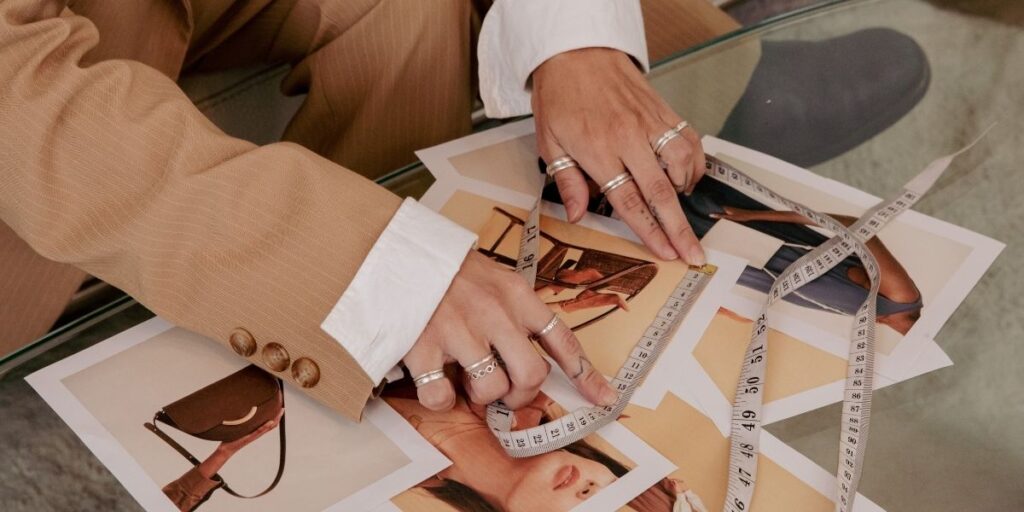
The terms that most consistently separate confident dressers from uncertain ones are not the obscure ones. They are the foundational vocabulary that everyone uses but not everyone understands precisely. Silhouette refers to the overall shape of a garment against the body, not the fabric or the color. Colorway describes a specific combination of colors within a collection or a garment. Hand is the tactile quality of a fabric, how it feels to touch and drape. These three words alone, applied to shopping decisions, sharpen every purchase.
The color vocabulary is where wpordle-style daily practice would pay off fastest. A fashion-specific wpordle built around color terms would cover ochre, ecru, marigold, and saffron before it covered yellow, and that precision matters because the yellow that washes one skin tone out is the exact shade that makes another glow. The vocabulary makes the distinction communicable, which means you can ask for it, describe it, and find it rather than hoping a lucky rack encounter produces the right result.

Lolita, Subculture, and the Limits of Trend Language
The wpordle fashion dictionary has to include subculture vocabulary, because the most interesting dressing consistently draws from communities that mainstream trend reporting discovers late and describes imprecisely. Lolita fashion is a perfect example: a complete aesthetic system with its own internal vocabulary, hierarchy of substyles, and quality standards that decades of Western trend coverage still routinely oversimplifies. Knowing what it actually means, and what it does not mean, produces better-informed borrowing than the version that flattens it to "doll-like dresses."
The wpordle approach to building fashion literacy is not about becoming fluent in every subculture simultaneously. It is about developing enough vocabulary in each category to ask better questions, make more precise decisions, and recognize when a trend description is accurate versus when it is marketing shorthand for something more complex.
One word a day, like a wpordle answer, builds a vocabulary over months that changes how you see a rack, read a review, and wear an outfit. Start with silhouette, hand, and colorway. Build from there.

Grace leads the editorial vision behind 405Threads’ coverage of celebrity style, fashion trends, and wardrobe essentials. With a lifelong passion for fashion, a diverse cultural background, and expertise in trend forecasting, celebrity fashion analysis, and style curation, she brings readers a global perspective that remains accessible and relevant to everyday life. Grace believes fashion is about more than following trends – it’s about self-expression, confidence, and individuality.